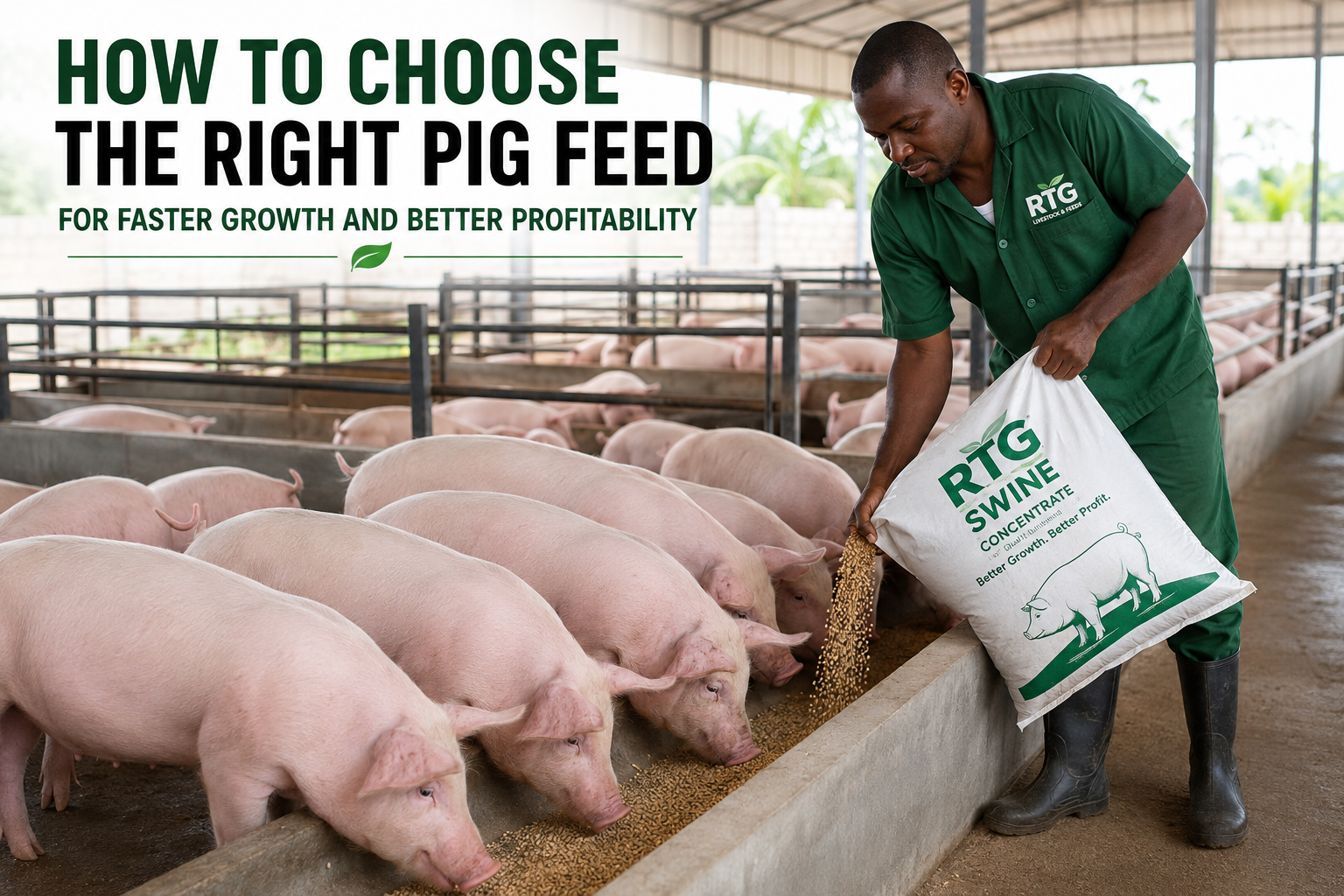
HOW TO CHOOSE THE RIGHT PIG FEED FOR FASTER GROWTH AND BETTER PROFITABILITY
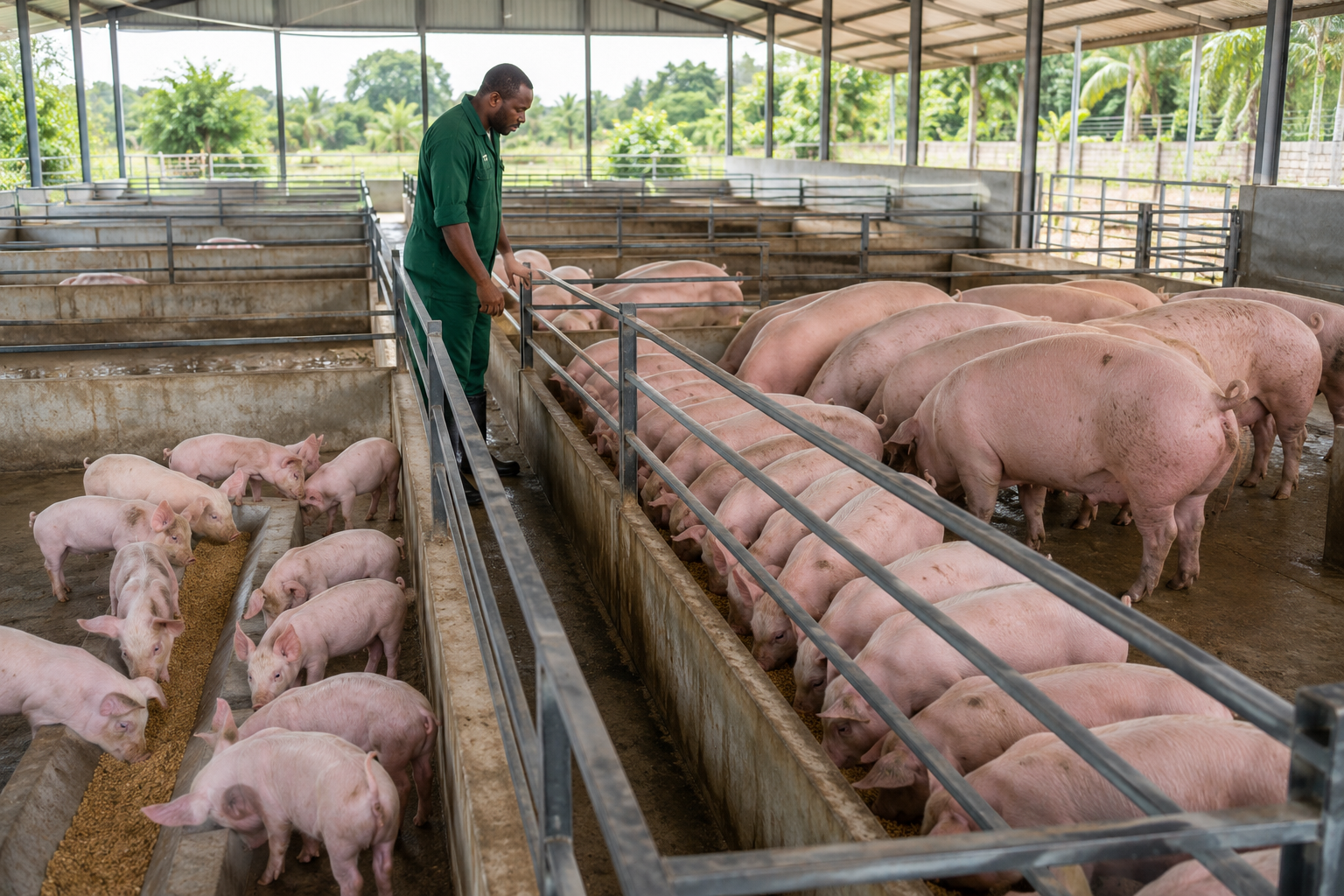
Pig feed is one of the most important factors determining the success or failure of a pig farming business. A farmer may have good housing, healthy pigs and adequate management, but poor nutrition can still lead to slow growth, unnecessary feed wastage and reduced profitability. Choosing the right pig feed is therefore not simply about finding the cheapest feed available. It is about selecting a nutritionally suitable feed that matches the age, weight and production stage of the pig.
HOW TO CHOOSE THE RIGHT PIG FEED FOR FASTER GROWTH AND BETTER PROFITABILITY
In this article, we explain how pig farmers can make better feeding decisions, improve feed efficiency and support healthier, more productive pigs.
Why Choosing the Right Pig Feed Is Important
Feed usually represents one of the largest operating costs in pig farming.
When pigs receive a poorly balanced diet, farmers may experience problems such as:
Slow growth
Poor body development
Excessive feed consumption
Poor feed conversion
Uneven growth within the herd
Nutritional deficiencies
Reduced finishing performance
Higher production costs
On the other hand, a properly formulated and well-managed feeding programme can help pigs receive the nutrients they need at each stage of growth.
The goal is not simply to feed pigs until they are full.
The goal is to provide a balanced diet that supports growth, health, efficient feed utilization and profitable production.
1. Understand That Pigs Have Different Nutritional Needs
One of the most important principles in pig nutrition is that pigs do not require exactly the same diet throughout their lives.
As pigs grow, their nutritional requirements change.
For this reason, farmers should pay attention to the production stage of their animals.
The major feeding stages commonly include:
Piglets and young pigs
Starter pigs
Growing pigs
Finishing pigs
Breeding animals
Young pigs require diets that support rapid early development.
Growing pigs require nutrients that support efficient body growth.
Finishing pigs require carefully managed nutrition to support continued growth toward market weight.
Using the wrong feed for the wrong stage can reduce feeding efficiency and increase unnecessary production costs.
2. What Makes a Quality Pig Feed?
A quality pig feed should provide a balanced combination of essential nutrients.
These include:
Energy
Pigs need energy for:
Growth
Movement
Body maintenance
Normal body functions
Energy is commonly supplied through ingredients such as grains and other suitable energy sources.
An inadequate energy supply may contribute to poor growth performance.
Protein and Amino Acids
Protein is important for the development and maintenance of body tissues.
However, farmers should understand that protein quality matters, not simply the crude protein percentage written on a feed label.
A properly balanced diet should provide the amino acids required by pigs for efficient growth and body development.
Vitamins and Minerals
Vitamins and minerals play important roles in:
Bone development
Immune function
Reproduction
Growth
General health
A nutritionally incomplete diet may contribute to poor performance even when pigs appear to be consuming enough feed.
Digestibility
A good feed should contain ingredients that pigs can efficiently utilize.
Poor-quality or improperly processed ingredients may reduce nutrient utilization and affect performance.
Ingredient Quality and Consistency
The quality of raw materials used in feed production is extremely important.
A farmer should look for feed products produced from properly selected ingredients and handled under appropriate quality-control procedures.
Consistency is also important.
A farmer wants confidence that the feed purchased today will maintain the expected quality standard in future batches.
3. Choose Pig Feed According to the Growth Stage
One of the simplest ways to improve feeding management is to match the feed to the stage of production.
Starter Feed
Starter nutrition is designed for young pigs that are transitioning into a period of rapid growth.
At this stage, pigs require a diet capable of supporting early development.
Farmers should pay close attention to:
Feed quality
Freshness
Feed intake
Clean drinking water
General pig health
A good start can contribute to better performance as pigs move into later stages of production.
Grower Feed
As pigs continue to grow, their nutritional requirements change.
The grower stage is an important period for body development and efficient weight gain.
Farmers should monitor:
Growth rate
Feed consumption
Body condition
Feed wastage
Water availability
A properly managed grower feeding programme can help farmers maintain steady progress toward their production goals.
Finisher Feed
The finishing stage prepares pigs for market.
At this point, farmers should focus on efficient growth while carefully monitoring feed costs.
The cheapest feed is not always the most economical choice.
A feed that appears cheaper but produces poor growth or requires excessive consumption may ultimately cost the farmer more.
The better question is:
How efficiently are my pigs converting feed into productive growth?
4. Do Not Choose Pig Feed Based on Price Alone
Many farmers are naturally concerned about the cost of feed.
This is understandable because feeding represents a major part of pig production expenses.
However, buying feed based only on the lowest price can sometimes create bigger problems.
A cheaper feed may result in:
Poor growth
Increased feed consumption
Longer time to reach market weight
Greater production costs over time
The true cost of feeding should therefore be considered together with performance.
Farmers should evaluate factors such as:
Pig growth
Feed intake
Feed wastage
Time required to reach target weight
Overall feed efficiency
The goal should be value and performance, not simply the lowest purchase price.
5. Pay Attention to Feed Storage
Even a quality feed can lose value if it is poorly stored.
Pig feed should be protected from:
Moisture
Rodents
Insects
Direct water exposure
Excessive heat
Contamination
Poor storage may affect feed quality and increase the risk of spoilage.
Farmers should store feed in a clean, dry and well-managed environment.
It is also advisable to avoid keeping feed for unnecessarily long periods.
A good stock-management system helps farmers use older feed appropriately before newer stock, provided the feed remains safe and suitable for use.
6. Reduce Feed Wastage
Feed wastage quietly reduces farm profitability.
Even small amounts of feed wasted every day can become a significant financial loss over time.
Common causes of feed wastage include:
Poorly designed feeders
Overfilling feeding troughs
Spillage
Contamination
Poor feed storage
Rodent damage
Farmers should regularly inspect feeders and adjust their feeding practices to reduce unnecessary losses.
A good feeding programme is not only about what the pigs eat.
It is also about ensuring that the feed purchased actually reaches the animals.
7. Clean Water Is Part of Good Nutrition
Water is sometimes overlooked when farmers discuss pig nutrition.
However, pigs require reliable access to clean water.
Poor water availability can affect:
Feed consumption
Growth
General health
Overall performance
Farmers should regularly check:
Water supply
Drinkers
Water cleanliness
Water flow
A feeding programme works best when good nutrition is supported by proper water management.
8. Monitor Your Pigs Regularly
Do not wait until pigs are visibly performing poorly before reviewing your feeding programme.
Regular observation can help farmers identify potential problems early.
Monitor:
Feed consumption
Growth
Body condition
General activity
Uniformity within the group
Feed wastage
If performance changes unexpectedly, farmers should investigate possible causes.
The problem may be related to:
Feed
Water
Health
Housing
Temperature
Stocking density
General management
Pig performance should always be viewed as part of the entire farm-management system.
9. Choose a Reliable Feed Manufacturer
When selecting a feed supplier or manufacturer, farmers should look beyond attractive packaging.
Important considerations include:
Product consistency
Nutritional suitability
Quality-control practices
Availability
Clear feeding information
Customer support
Reliable distribution
A good feed supplier should be able to provide useful information about the product and help customers understand how the feed should be used.
RTG Swine Nutrition Solutions
RTG Livestock & Feeds is focused on providing swine nutrition solutions designed to support farmers at important stages of pig production.
RTG's swine product range includes concentrates designed for different production stages, including:
RTG Starter Concentrate
RTG Grower Concentrate
RTG Finisher Concentrate
Farmers should always follow the appropriate product recommendations and feeding guidelines when using feed concentrates.
Choosing the right feeding programme, using quality ingredients and maintaining good farm management practices can help support better pig performance.
Final Thoughts
Choosing the right pig feed is one of the most important decisions a pig farmer makes.
The best approach is to consider:
The age and growth stage of the pig
Nutritional requirements
Feed quality
Feed efficiency
Proper storage
Reduction of feed wastage
Availability of clean water
Regular monitoring of pig performance
Successful pig production is not simply about feeding more.
It is about feeding correctly and managing feed efficiently.
By paying closer attention to nutrition and feeding management, pig farmers can create better conditions for healthy growth and improved farm profitability.
Need More Information About RTG Swine Products?
For enquiries about RTG Starter, Grower and Finisher Concentrates, farmers and distributors can contact RTG Livestock & Feeds through the contact details provided on the website.
Visit the RTG Products page to learn more about available swine nutrition solutions.
Related Articles
 Livestock Nutrition
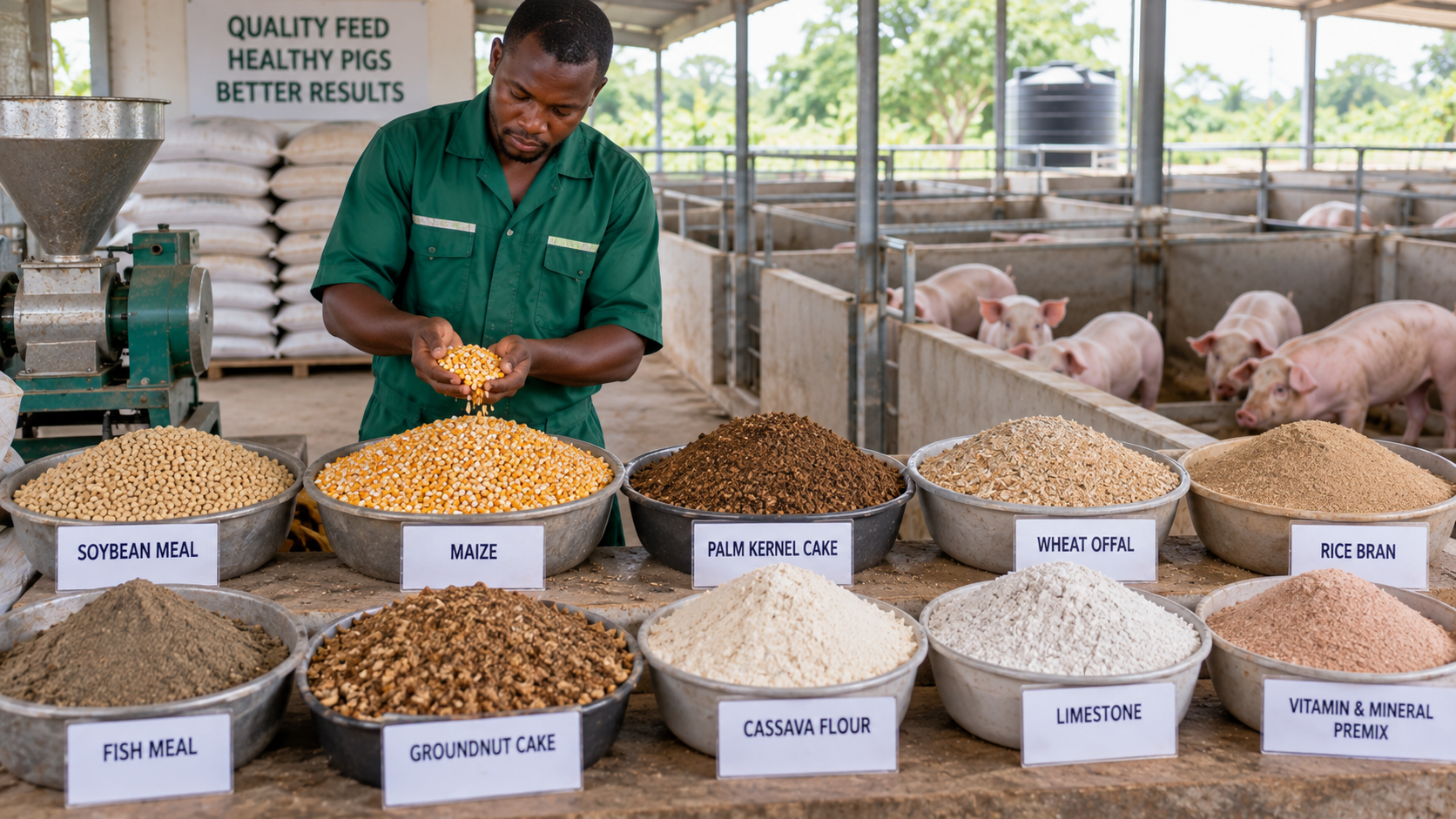
Pig Feed Ingredients and Their Functions: Complete Guide
Understanding the role of maize, soybean meal, PKC, wheat offal, amino acids, minerals and other ingredients in balanced pig feed formulation for healthy growth and efficient production.
 Livestock Nutrition
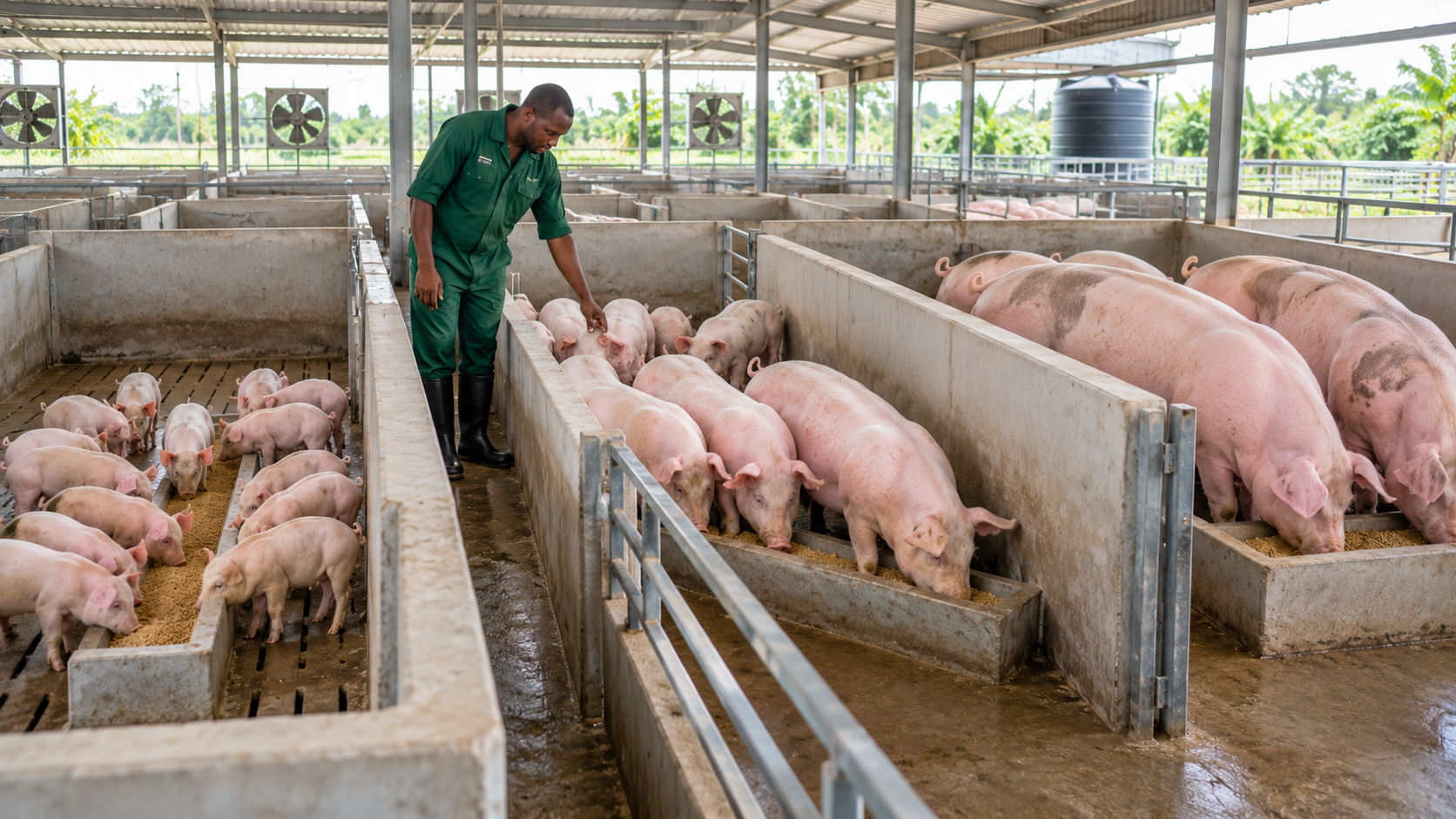
RTG SWINE CONCENTRATE IN NIGERIA: A PRACTICAL GUIDE FOR PIG FARMERS
A practical guide to choosing and using pig feed concentrate in Nigeria, understanding feeding stages and making better decisions about swine nutrition and feed efficiency.
 Livestock Nutrition
STARTER, GROWER AND FINISHER PIG FEED: UNDERSTANDING THE DIFFERENT FEEDING STAGES
Feeding pigs properly is one of the most important responsibilities of a successful pig farmer. However, good pig feeding is not simply about giving pigs as much feed as possible. It is about understanding what pigs need at different stages of growth and providing nutrition that supports efficient development. A young pig has different nutritional requirements from a growing pig. Likewise, a pig approaching market weight does not necessarily require exactly the same feeding programme as a younger animal.